Advert


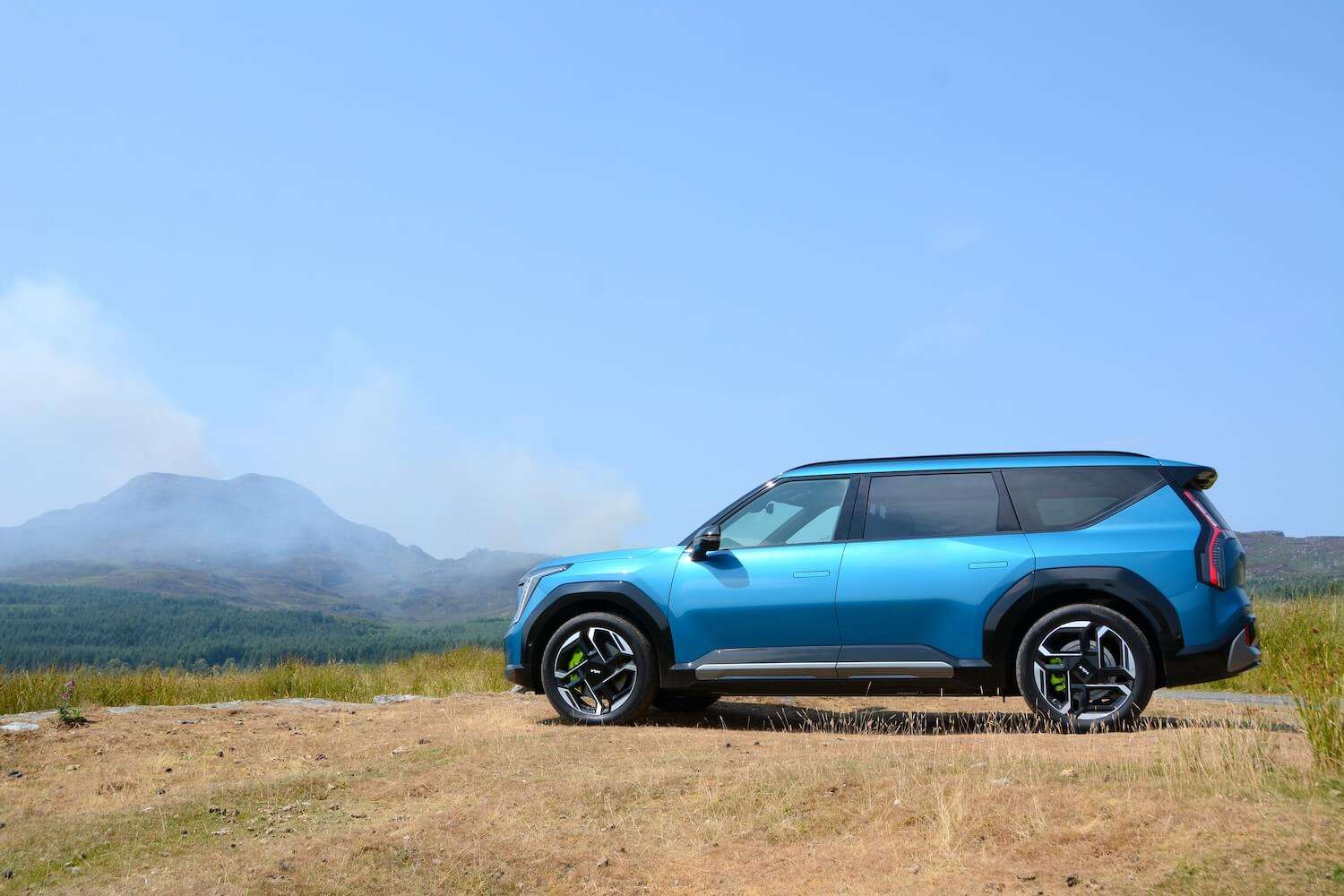
Data from New Automotive shows that new EV registrations reached 30% market share in August, up 30% compared with August 2025 (and electric vans reached an all-time high 17% market share). EV registrations are now 24% higher than last year. This raises a number of questions about EVs and policy, including the following…
It seems that UK motorists are buying EVs in increasing numbers at a time when the Zero Emission Vehicle (ZEV) Mandate is being reviewed (when the industry is on track to meet ZEV Mandate targets for the third year in a row, taking flexibilities into account). Kia retained the top spot for monthly BEV registrations in August for the second consecutive month, with electric vehicles representing a record 45% of its total registrations. Increasing numbers of new EVs are also coming to the UK from elsewhere around the world, particularly from China. There are calls from some quarters to slow down the move to EVs in the UK. But at a time of growing demand wouldn’t it make sense that the UK car industry builds and sells more EVs for economic benefit?
If world leaders are going to war in the Middle East without any intelligent strategy, the result is bound to be even more volatile oil prices. If the UK government is serious about reducing the cost of living for people, wouldn’t it make more sense to help motorists transition away from expensive petrol and diesel, and switch to EVs that can increasingly be charged from home-grown renewable energy? EVs are also gaining price parity with petrol vehicles, and used EVs, without the hundreds of powertrain components that can go wrong in a petrol or diesel vehicle, represent excellent value.
It seems that some people have failed to notice that it’s been hotter than normal this summer (possibly just the weather), and over recent summers (probably the climate). Wild fires have destroyed large areas of land together with properties, resulting in huge costs, and initial scientific conclusions are that the tragedy on the border of Nepal and Tibet was caused by the melting of a glacier, with the expected loss of thousands of lives. The whole point of electric vehicles is that they have zero tailpipe emissions, so helping in the fight against climate change, so wouldn’t it make sense to encourage a move away from petrol and diesel vehicles?
Most people seem to have forgotten about the issue of local air pollution, which, although invisible, is linked to thousands of premature deaths each year just in the UK alone. Electric vehicles don’t produce any exhaust emissions, so helping to keep us healthier, reducing costs for the NHS, and for the country and its taxpayers.
Over the last 15+ years of increasing numbers of people driving EVs, surveys have consistently reported that over 90% of motorists have said they prefer the driving experience of an EV and that they wouldn’t go back to petrol or diesel cars. The small minority of people who are vocal against EVs and the charging network – many of whom have never driven an EV – have often achieved negative headlines in the media, resulting in some drivers who are undecided about EVs being anxious about switching. But as more and more people get an EV on their drive or in their workplace, the undecided drivers will hear more satisfied stories about EVs. Why encourage people to drive a petrol or diesel (or hybrid) car that has old-fashioned technology, isn’t as good to drive, contributes to climate change and local air pollution, and is more expensive to run?
So based on all of the above, I’m just curious about why anyone would want to delay the move to a healthier planet by slowing down the UK’s transition to electric vehicles?
Paul Clarke
Editor
Green Car Guide